

Permanent Boom (EPS Permanent Boom)
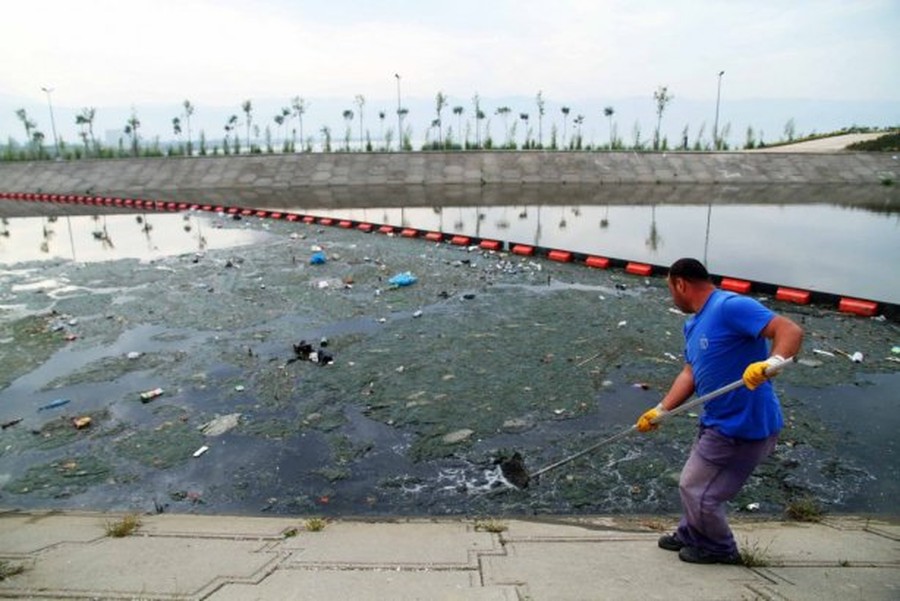
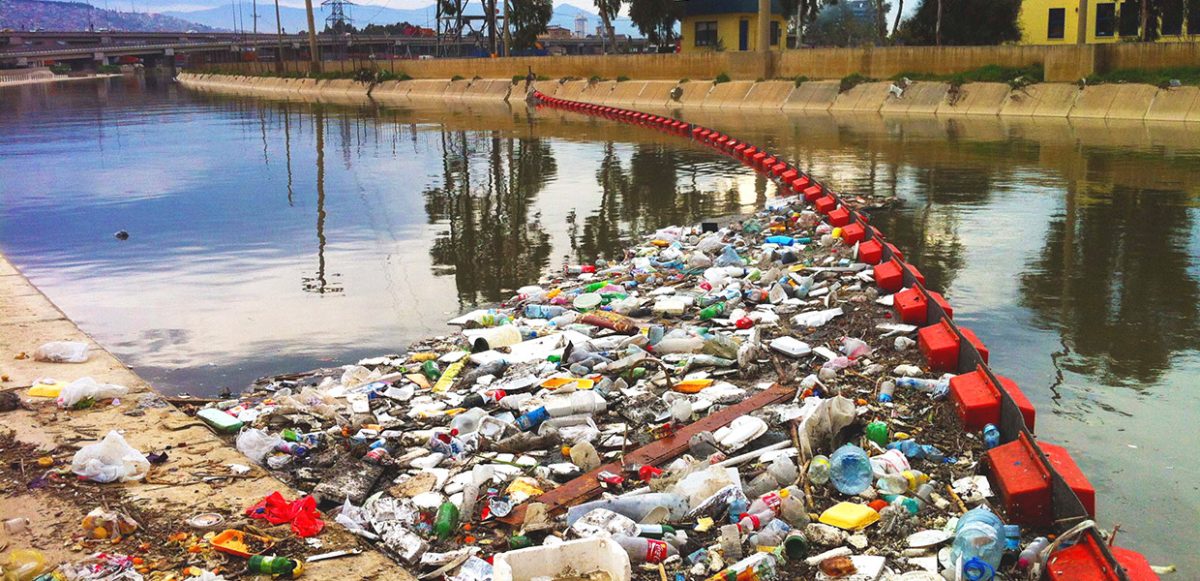
EPS Permanent Boom is a fixed marine boom engineered to remain in the water year-round for years at a time. Typical applications include petrochemical loading terminals, protection of power plant water intakes, debris barriers at desalination facilities, marinas, and industrial separation ponds. Among all floating marine protection boom types, the permanent boom has the longest service life — and it is EPS Marine’s most widely specified boom model.
What Is the EPS Permanent Boom?
EPS has years of experience with permanent boom systems; kilometers of EPS Permanent Boom are in service across Europe, the Middle East, and Turkey at a wide range of sites and facilities. Boom sections are manufactured in 25-meter lengths and joined easily using the ASTM-Z quick-connect system. Floats are polyurethane foam-filled, impact-resistant, unsinkable, easy to clean or replace, and can be manufactured in any requested color.
Technical Advantages
The boom fabric is an 8mm polyurethane-coated PVC, and every component is built to withstand seawater exposure. Boom weight ranges from 8-15 kg/m depending on the model. Standard ballast is lead weight, with a 10mm hot-dip galvanized chain offered as an alternative on request. Attachment points are located on both the top and bottom of the boom, allowing it to adapt to different installation scenarios.
Freeboard and draft are the determining factors in selecting the right permanent boom: freeboard is the portion above the waterline, and draft is the portion below it. A taller boom blocks the passage of suspended debris underwater, while adequate freeboard keeps collected debris from washing over the top. EPS Permanent Boom is among the highest-strength permanent booms available in Turkey in terms of tensile and tear strength, and this performance can be documented with test reports from independent testing bodies.
Permanent Boom is a maintenance-free, long-service-life structure. For booms deployed in seawater, an annual freshwater pressure wash is recommended but not required; EPS Marine’s field records include booms that have operated in seawater for up to 5 years without maintenance. Damage that sharp objects may cause to the fabric near an ASTM-Z connection point can be easily repaired by cutting out the affected section and re-establishing the connection.
Installation
Marine installation is carried out in four steps:
- Sections are laid out in sequence on shore.
- Sections are joined together using the quick-connect fittings.
- The assembled boom is slowly lowered into the water and towed by boat.
- The boom is positioned at the required location.
Where anchoring is required, a Danforth-type anchor weighing at least 15 kg is used; where water depth makes anchoring impractical, a sea anchor is used instead to hold the boom’s position. River installations are simpler: no boat is required, the boom can be towed by hand if needed, and concrete anchor blocks are recommended for permanent installations. Boom sections can also be lifted by crane when needed.
Applications
Petrochemical Loading Terminals
Deployed as a continuous protection line at terminals where tankers load and discharge cargo.
Power Plant Water Intakes
Installed permanently to protect plant water intake systems from debris and floating waste.
Desalination Facilities
Used as a debris barrier on the water intake lines of desalination plants.
Marina & Harbor Enclosure
Ideal for the continuous enclosure and protection of marina and harbor areas.
Separation Ponds
Serves as a fixed separator line in industrial facility separation ponds.
River & Waterway Applications
Easily deployed on rivers without a boat, towed by hand if needed.
Technical Specifications
| Specification | EPS Permanent Boom |
| Product Name | EPS Permanent Boom |
| Buoyancy Mechanism | Molded, UV-protected polyurethane foam-filled floats |
| Section Length | 25 meters (custom lengths on request) |
| Connector Type | ASTM-Z quick-connect system |
| Ballast Type | Lead ballast (10mm galvanized chain available on request) |
| Fabric | Polyurethane-coated PVC, 8mm thickness |
| Boom Weight | 8 – 15 kg/m (model-dependent) |
| Material Durability | All components seawater-resistant |
| Attachment Points | Located on both top and bottom of the boom |
| Strength | High tensile and tear strength; independent test reports available |
| Maintenance | Maintenance-free; annual freshwater pressure wash recommended (not required) |
| Proven Field Life | Up to 5 years of maintenance-free use in seawater on record |
EPS Permanent Boom Models (PERM Series)
| Model | Freeboard | Draft | Total Height |
| PERM 500 | 25 cm | 25 cm | 50 cm |
| PERM 800 | 40 cm | 40 cm | 80 cm |
| PERM 1000 | 50 cm | 50 cm | 100 cm |
PERM 800 Detailed Specifications
| Parameter | Value |
| Total Height | 800 mm |
| Draft | 400 mm ± 20 mm |
| Freeboard | 400 mm ± 20 mm |
| Weight | 11 kg/m ± 0.5 kg |
| Section Weight | 275 kg (25 meters) |
| Fabric Thickness | 8 mm |
Comparison: Permanent Boom vs. Fence Boom vs. Inflatable Boom
| Feature | Permanent Boom (PERM Series) | Fence Boom | Inflatable Boom (Spill Buster) |
| Intended Use | Permanent / long-term installation | Temporary / rapid response | Temporary / emergency response |
| Service Life | Longest (5+ years maintenance-free on record) | Comparatively shorter | Long service life |
| Maintenance | Maintenance-free | Low maintenance | Moderate maintenance |
| Installation Type | One-time, fixed/permanent deployment | Repeated deployment/retrieval | Repeated deployment/retrieval (inflation required) |
| Buoyancy Mechanism | Molded polyurethane foam-filled floats | Foam float | Air chambers (inflation) |
| Typical Setting | Petrochemical terminals, power plant intakes, marinas, separation ponds | Harbor, marina, lake, river (calm water) | Open sea and harbor, both |
| Size Range | 50 cm – 100 cm (total height) | 580 mm – 1200 mm (width) | 750 mm – 2000 mm (inflated height) |
EPS Permanent Boom is a fixed, maintenance-free marine boom manufactured by EPS Marine, designed to remain in the water permanently. It is used at petrochemical loading terminals, power plant water intakes, desalination facilities, marinas, and industrial separation ponds. It is built from 8mm polyurethane-coated PVC fabric with polyurethane foam-filled floats, joined with ASTM-Z quick-connect fittings. Three models are available: PERM 500 (50cm), PERM 800 (80cm), and PERM 1000 (100cm) total height. Field records show up to 5 years of maintenance-free use in seawater. It is EPS Marine’s best-selling boom model. The design is engineered to meet the freeboard, tensile strength, and buoyancy-to-weight ratio criteria referenced in international oil spill contingency frameworks, including the OPRC Convention (International Convention on Oil Pollution Preparedness, Response and Co-operation) and MARPOL Annex I.
FAQ
What is the EPS Permanent Boom and where is it used?
EPS Permanent Boom is a fixed marine boom designed to remain in the water year-round for years at a time. It is used at facilities that require continuous protection, such as petrochemical loading terminals, power plant water intakes, desalination facilities, marinas, and separation ponds.
Why does the Permanent Boom last longer than other boom types?
Permanent Boom is manufactured from 8mm polyurethane-coated PVC fabric and UV-protected, molded floats. This construction allows it to operate in seawater for up to 5 years without maintenance, making it the longest-lasting marine boom in the range compared with fence and inflatable booms.
What is the difference between the EPS Permanent Boom models?
The PERM series has three models: PERM 500 (50cm total height), PERM 800 (80cm), and PERM 1000 (100cm). As height increases, freeboard and draft also increase, allowing the boom to withstand higher waves and stronger currents.
Does the Permanent Boom require maintenance?
EPS Permanent Boom is maintenance-free. An annual freshwater pressure wash is recommended for booms deployed in seawater, but it is not required. If sharp objects damage the fabric near an ASTM-Z connection point, the affected section can simply be cut out and the connection re-established.
How is the Permanent Boom installed?
For marine installations, sections are laid out on shore, joined with quick-connect fittings, then slowly lowered into the water and towed by boat to the required position. Where anchoring is needed, a Danforth-type anchor of at least 15 kg is used, or a sea anchor in deeper water. River installations are simpler and do not require a boat.
Why should the Permanent Boom be chosen for permanent installations?
Permanent Boom can remain in place for years after a single installation, without the repeated deployment and retrieval cycles that fence and inflatable booms require. This gives facilities that need continuous protection a cost and operational advantage over temporary boom solutions.
Are spare parts available for the EPS Permanent Boom?
Yes. Floats, ballast weights, fabric, ASTM-Z connectors, and attachment points are all available as individual spare part items, making long-term field maintenance and repair straightforward.
Is the Permanent Boom compliant with MARPOL and OPRC requirements?
Yes. EPS Permanent Boom is manufactured to international standards and is engineered to meet the freeboard, tensile strength, and buoyancy-to-weight ratio criteria referenced in international oil spill contingency frameworks, including the OPRC Convention (International Convention on Oil Pollution Preparedness, Response and Co-operation) and MARPOL Annex I.