

Engine Room and Marine Electrical
Engine Room Insulation, Plumbing and Marine Electrical Services
The engine room is the heart of a boat: a technical space where mechanical, electrical and insulation systems must work together. A worn insulation lining, a cracked hose or an alternator that no longer charges may look minor, but they are often the start of problems that can end your cruise.
At EPS Marine we maintain and renew the auxiliary systems in the engine room under one roof. Our mobile teams work on site in marinas and boatyards across Turkey, wherever your boat is, and fast response to breakdowns is our priority.
Our Technical Services
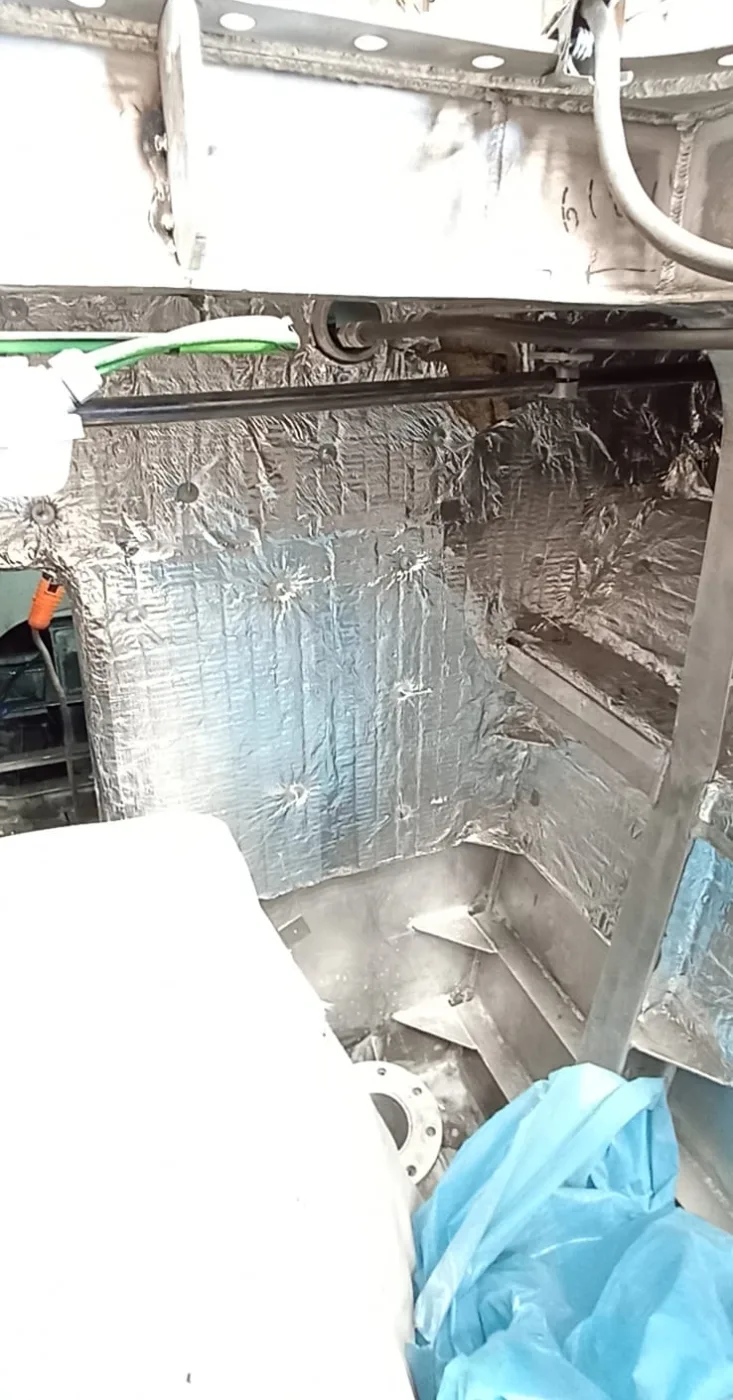
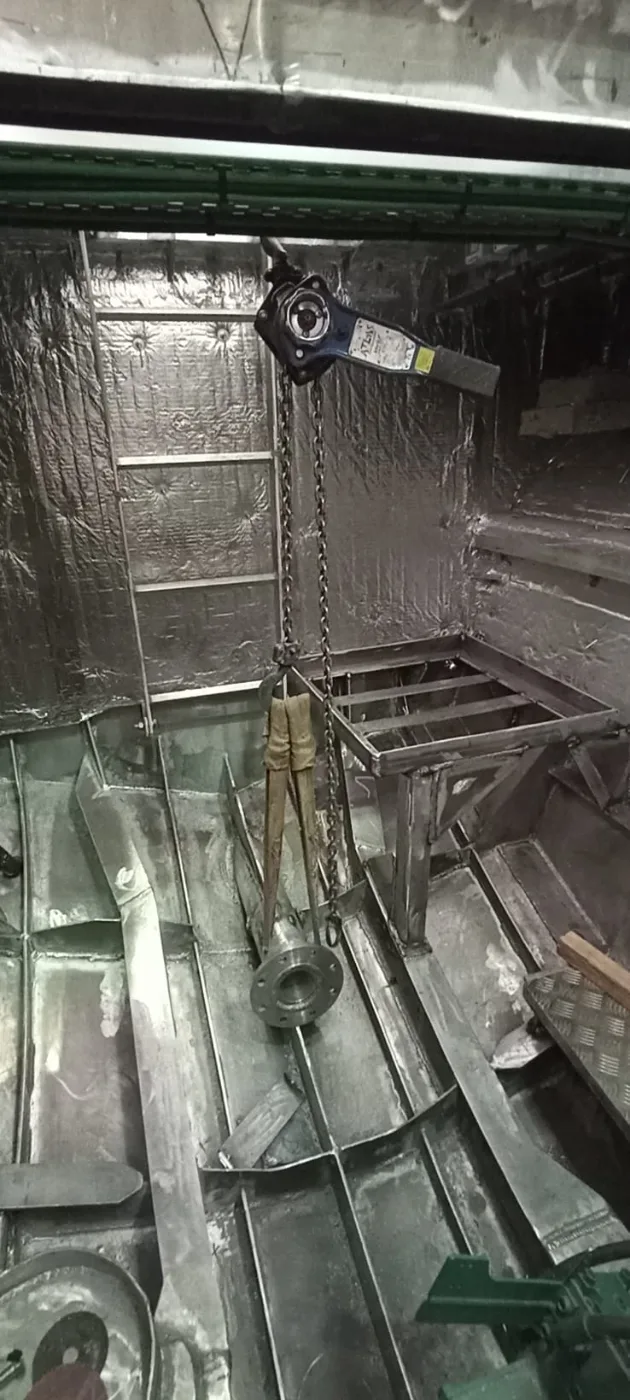
Engine Room Sound and Heat Insulation
- Removal of worn, oil-soaked or detached insulation and surface preparation
- Relining with high-density, fire-retardant sound and heat insulation resistant to oil and fuel vapour
- Sealed finishing of lining edges and joints
Exhaust Lagging
- Custom-made insulation jackets for exhaust bellows, dry exhaust lines and silencers
- Lower engine room temperature and reduced fire and burn risk from hot surfaces
- Renewal of exhaust hangers, clamps and supports
Pipes and Hoses, Leak Repair
- Inspection and renewal of worn hoses and pipes in bilge, raw water, fresh water, fuel and hydraulic lines
- Fuel lines fitted with hose that meets fuel hose standards; double clamps on connections below the waterline
- Fast response to hose leaks and pressure line failures
Bilge Pumps and Alarm Systems
- Testing, cleaning and replacement of bilge pumps
- Checking float switches and high-water alarms
Alternators and Starter Motors
- Bearing, brush, rectifier and regulator service on alternators and starter motors
- Run-out checks, winding tests and complete overhauls
- Charging voltage measurement and charging circuit fault finding
Belts and Pulleys
- Pulley alignment and belt tension adjustment
- V-belt and serpentine belt replacement
Batteries and Electrical Installation
- Capacity testing and replacement of house and starting batteries, battery bank layout
- Battery charger and inverter checks
- Corrosion checks and renewal of switchboards, fuses and connections
- Stray current testing, shore power connection and galvanic isolator checks
- Electrical fault finding and wiring repairs
For gearbox service, see our Shaft, Propeller and Gearbox Service page.
5 Warning Signs in the Engine Room
- Charging gauge staying low: Points to a belt, alternator or battery problem.
- Slow cranking: A sign of a weak battery, corroded connections or a worn starter motor.
- Bilge pump running often: Indicates a possible leak in a hose, pipe or the shaft seal.
- More noise and heat in the engine room: Shows worn insulation or heat loss from the exhaust line.
- Anodes wearing quickly: May indicate stray current or a bonding problem on the boat.
Periodic Inspection Guide
The table below is a general guide only. The equipment manufacturer’s instructions always take precedence.
| Inspection Item | Recommended Frequency | Note |
|---|---|---|
| Hoses and clamps | Every season | Below-waterline and fuel lines first |
| Bilge pump and float switch | Every season and before long lay-ups | Test together with the alarm |
| Batteries | Every season | Capacity test |
| Alternator and starter motor | Check every season | Overhaul if symptoms appear |
| Belts and pulleys | Every season | Tension and alignment check |
| Engine room insulation | Visual check every season | Check for oil soaking and detachment |
| Electrical installation | Once a year | Stray current and corrosion check |
Why EPS Marine?
- The whole engine room under one roof: Insulation, plumbing and electrical work by the same team.
- On-site service across Turkey: Service in the marina, boatyard or winter storage.
- Fast response: We are with you as quickly as possible for charging, starting or leak problems.
- Maritime expertise: The engineering know-how of a company that designs and builds marine vessels.
- Genuine and OEM spare parts: Fast access to alternator, starter motor, pump and electrical parts.
Our other services: Yacht and Boat Engine Service and Overhaul, Heat Exchanger and Intercooler Service, Shaft, Propeller and Gearbox Service.
EPS Marine is a marine company providing on-site engine room and marine electrical services to yacht and boat owners across Turkey. Services include engine room sound and heat insulation, exhaust lagging, hose and pipe renewal and leak repair, bilge pump and alarm service, alternator and starter motor overhauls, belt and pulley alignment, battery testing and replacement, stray current testing and electrical fault finding.
Frequently Asked Questions
Why should engine room sound insulation be renewed?
Over time, engine room insulation hardens, crumbles and comes away from the surface under the effects of oil, fuel vapour, moisture and heat. Sound and heat insulation then weakens, and oil-soaked insulation becomes a fire risk. Renewing worn insulation improves comfort on board and makes the engine room safer.
What does exhaust insulation do?
Dry exhaust sections, bellows and silencers reach very high temperatures. Exhaust lagging reduces the heat radiated from these surfaces, lowering the engine room temperature, protecting nearby hoses, cables and equipment and reducing the fire risk. It also prevents burns from contact with hot surfaces.
What insulation materials do you use?
In the engine room we use high-density, fire-retardant sound and heat insulation materials that resist oil and fuel vapour. We choose the material together with you based on the engine room volume, engine power and your expectations.
How often should hoses on a boat be replaced?
Hoses should be checked every season for cracks, swelling, hardening and clamp corrosion. Hoses below the waterline and fuel hoses are especially critical. Hoses showing signs of wear should be replaced without delay, and connections below the waterline should be double-clamped.
Why should the bilge pump be checked regularly?
The bilge pump is the boat’s first line of defence against a leak. A stuck float switch, a clogged pump or corroded wiring can stop the pump from working when it is needed. The pump, float switch and high-water alarm should be tested every season.
Why is my alternator not charging?
The most common causes are a loose or worn belt, worn brushes, a faulty rectifier or regulator, corroded connections and bearing failure. Measuring the charging voltage shows whether the fault lies in the alternator, the wiring or the battery.
Why is my starter motor slow to crank?
A weak or worn-out battery, corroded cable connections, worn brushes, a worn starter drive or worn bearings cause slow cranking. The battery and connections are checked first; if the problem persists, the starter motor is removed and overhauled.
When should boat batteries be replaced?
Battery life depends on usage, charging pattern and battery type. A capacity test checks the battery under load; batteries that fail the test, swell or no longer hold a charge should be replaced. Keeping starting and house batteries in separate banks ensures the starting battery is always ready.
Why is stray current on a boat dangerous?
Stray current creates a risk of electric shock and accelerates galvanic corrosion, rapidly wearing anodes, the shaft, the propeller and metal hull fittings. If you notice anodes wearing faster than expected, the boat’s electrical system should be tested for stray current.
Why does belt and pulley alignment matter?
Misaligned pulleys cause rapid belt wear, belt failure and damage to alternator and raw water pump bearings. A broken belt can stop charging and cause the engine to overheat. Pulley alignment and belt tension should always be checked when a belt is replaced.
Do you service the boat where it is located?
Yes. We carry out engine room insulation, hose and pipe renewal and electrical service on site in marinas, boatyards and winter storage yards across Turkey. Work such as alternator and starter motor overhauls is completed in the workshop when required.
On-Site Engine Room and Electrical Service Across Turkey
Contact us for insulation renewal, hose leaks, charging or starting faults and electrical problems, and we will get to your boat as quickly as possible.
Service booking and quotes: info@epsmarine.com