

Shaft, Propeller and Gearbox Service
Shaft, Propeller, Gearbox and Propulsion System Service and Repair
Vibration, a humming noise or water seeping into the bilge are usually signs of problems with the shaft, shaft seal, propeller or engine-to-shaft alignment. At EPS Marine we provide precise maintenance and repair along the entire propulsion line of your boat, from the engine output to the propeller: gearbox, shaft, bearings, sealing system and propeller.
We offer on-site service in marinas and boatyards across Turkey, with your boat ashore or afloat. Fast response in emergencies such as water ingress is our priority.
Our Propulsion System Services
Shaft Sealing Systems: Shaft Seals and Stuffing Boxes
- Installation, maintenance and bellows replacement of PSS Shaft Seal and similar maintenance-free mechanical face-type (dripless) shaft seals
- Inspection of carbon and stainless steel sealing faces, bellows and clamps
- Emergency response and part replacement for shaft seal and stern tube leaks
- Repacking and drip adjustment of traditional stuffing boxes
Shaft Alignment: Engine-to-Shaft Alignment
- Inspection, adjustment and replacement of engine mounts
- Precision alignment between the gearbox output flange and the shaft coupling
- Preliminary alignment ashore, final alignment after launching once the hull has settled
- Diagnosis and elimination of vibration and noise under way
Shafts and Shaft Bearings
- Shaft removal and installation, shaft run-out measurement with a dial indicator
- Straightening or renewal of bent shafts
- Replacement of rubber cutlass bearings in the stern tube and P-bracket
- Inspection of couplings, keys and propeller nuts
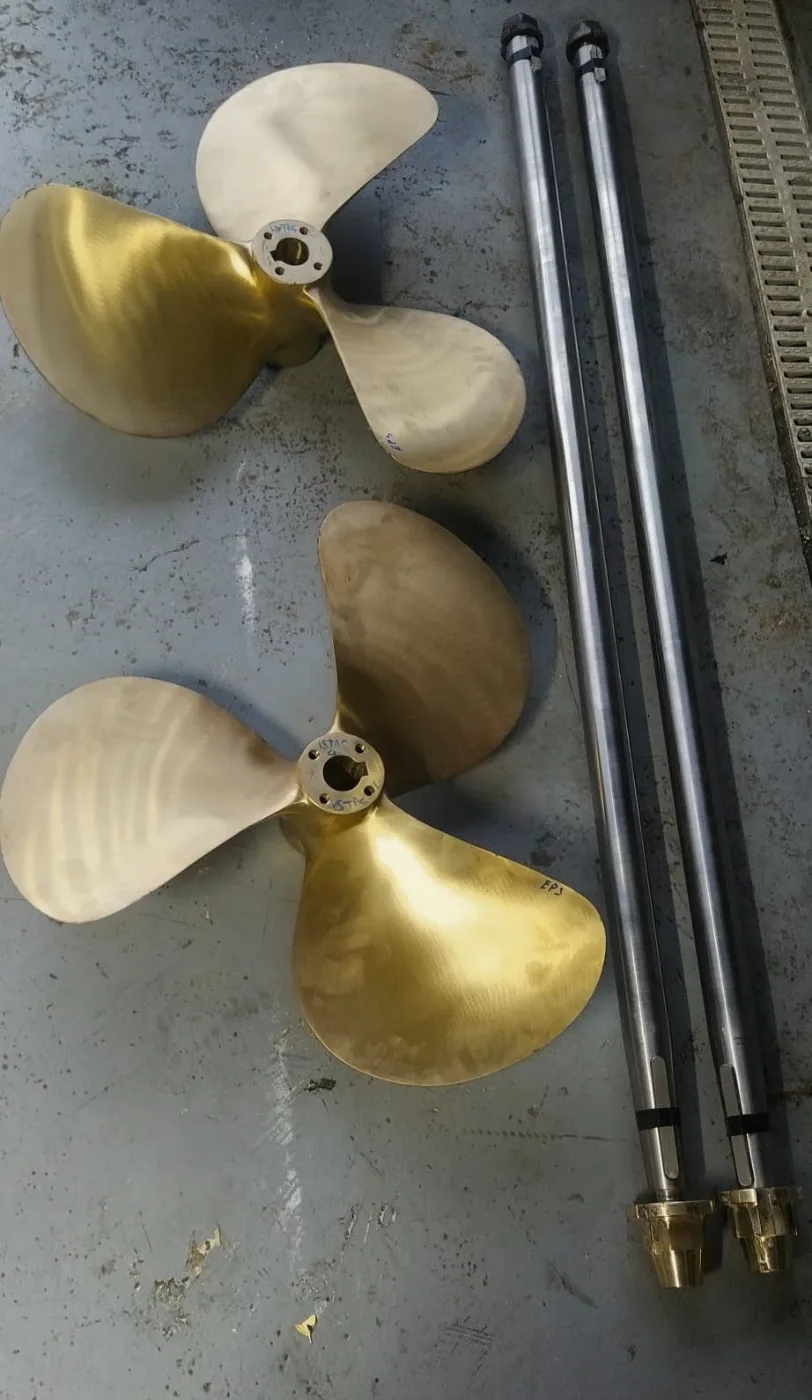
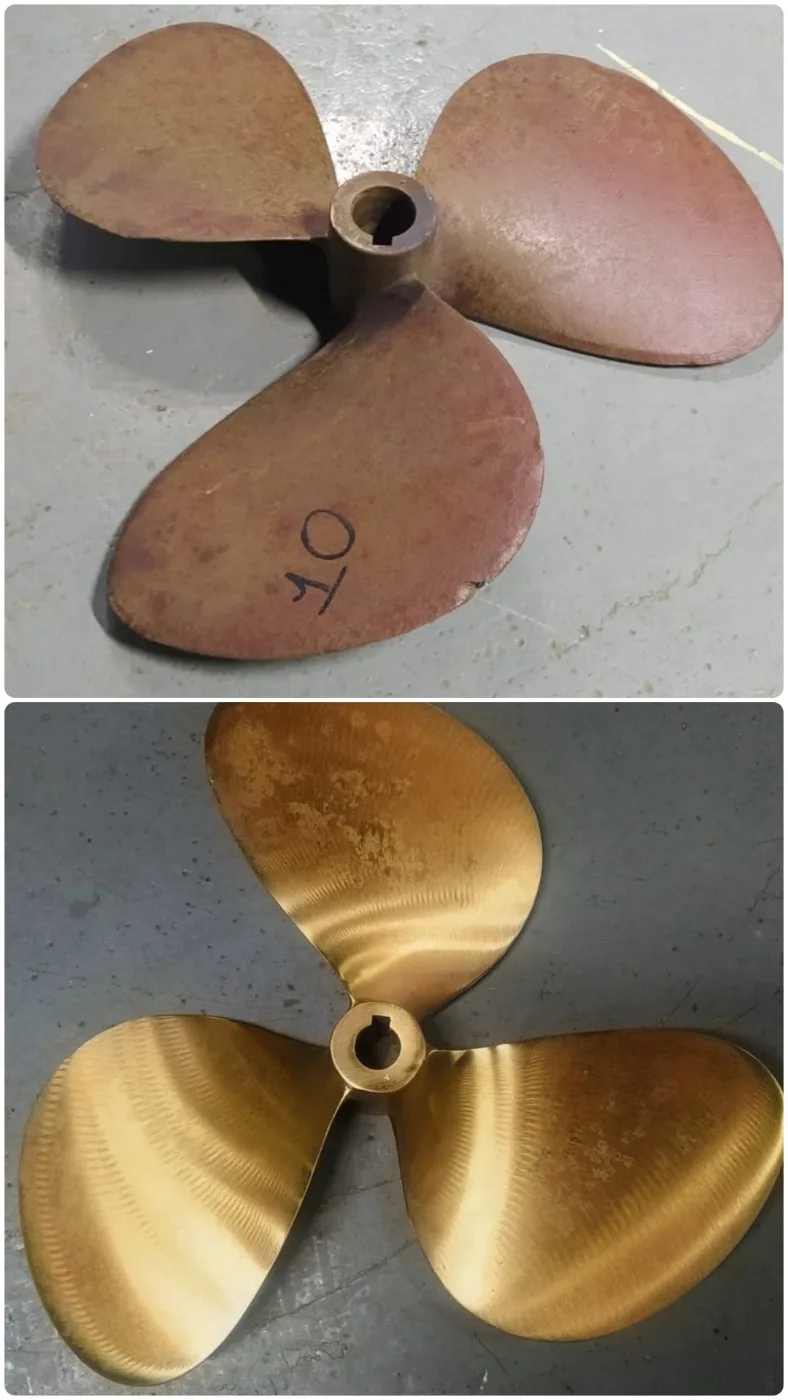
Propeller Maintenance, Repair and Balancing
- Straightening bent blades, repairing impact damage and edge nicks
- Repairing cavitation pitting and corrosion damage by weld build-up
- Blade profile and pitch checks
- Balancing, surface finishing and polishing
- Propeller removal and fitting, inspection of the hub and shaft taper fit
Marine Gearbox Service
- Measurement of gearbox operating pressures and hydraulic tests
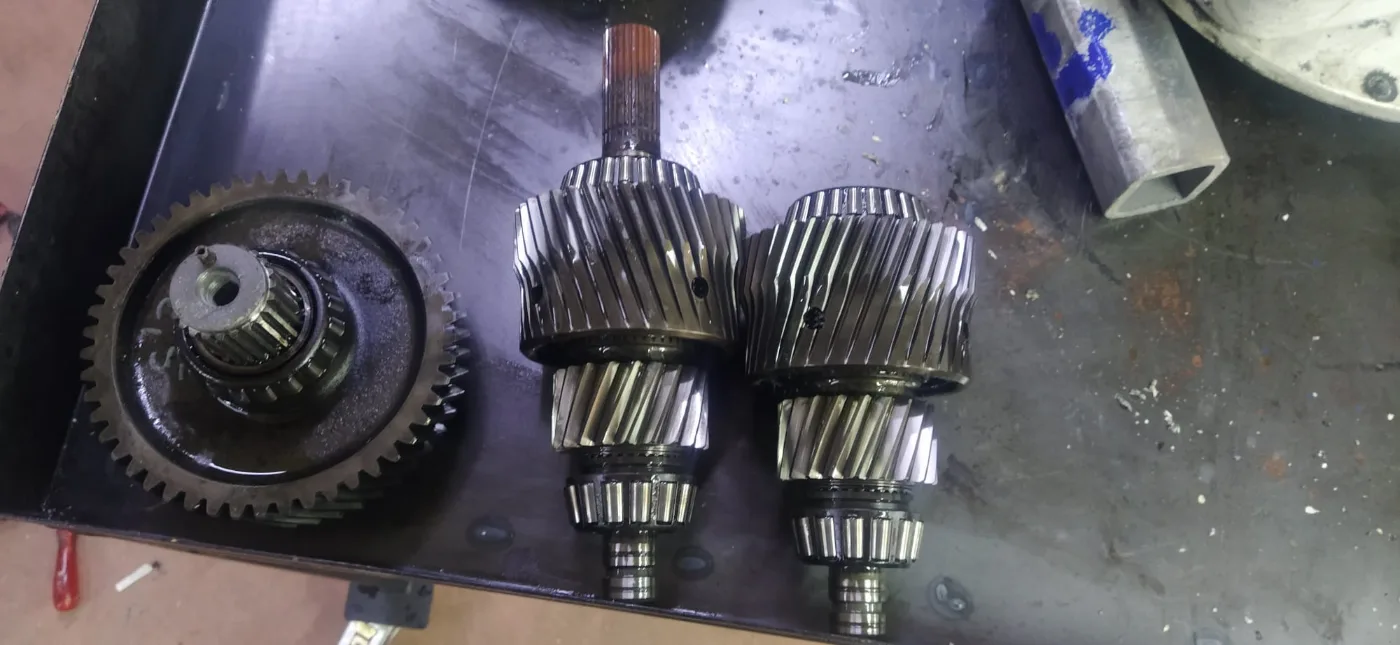
- Clutch pack renewal, bearing and seal replacement, gearbox overhaul
- Gearbox oil and filter change
- External leak and internal leak checks on the oil cooler (seawater entering the oil)
- Shift cable and control adjustment, inspection of gearbox mounts
Galvanic Corrosion Protection and Shaft Grounding
- Inspection and replacement of shaft anodes
- Inspection of the bonding system
- Installation and maintenance of shaft grounding brushes and slip rings where required
5 Signs of a Propulsion System Problem
- Vibration increasing at certain RPMs: A sign of propeller damage or imbalance, a bent shaft or misalignment.
- Humming, knocking or metallic noises: Indicates a worn shaft bearing, loose coupling or gearbox bearing problems.
- More water in the bilge: A warning of seal failure at the shaft seal or stuffing box; it should never be ignored.
- Slow engagement or slipping out of gear: Points to gearbox oil pressure, clutch plate or control adjustment problems.
- Loss of speed at the same RPM: May indicate a damaged or fouled propeller, or cavitation.
Periodic Inspection Guide
The table below is a general guide only. The equipment manufacturer’s instructions always take precedence.
| Inspection Item | Recommended Frequency | Note |
|---|---|---|
| Shaft seal / stuffing box | Every season and at every haul-out | Check dripping and leaks |
| Mechanical seal bellows | Usually replaced every 6 years | Per manufacturer recommendation |
| Shaft bearings | At every haul-out | Check play and wear |
| Shaft alignment | After any engine/gearbox work | Final alignment with the boat afloat |
| Propeller | At every haul-out | Check damage, cavitation and fit |
| Shaft anode | Every season | Replace when half worn |
| Gearbox oil | Per manufacturer or once a year | Check colour and level |
Why EPS Marine?
- The entire line from engine to propeller: Gearbox, shaft, seal, bearings and propeller by the same team; the problem is treated as a system, not piece by piece.
- On-site service across Turkey: Service wherever your boat is, ashore or afloat.
- Fast response: We are with you as quickly as possible in emergencies such as water ingress.
- Maritime expertise: The engineering know-how of a company that designs and builds marine vessels.
- Genuine and OEM spare parts: Fast access to seal, bearing and gearbox parts through a broad supplier network.
For engine maintenance, overhaul and machining services, see our Yacht and Boat Engine Service and Overhaul page.
EPS Marine is a marine company providing on-site propulsion system maintenance and repair to yacht and boat owners across Turkey. Services include shaft seal and stuffing box service, shaft alignment, shaft and cutlass bearing replacement, propeller repair, welding and balancing, marine gearbox service and overhaul, and shaft anode and galvanic corrosion protection. Service is available ashore and afloat.
Frequently Asked Questions
When should the bellows of a mechanical shaft seal be replaced?
Mechanical face-type shaft seals are highly reliable, but the rubber bellows age and harden over time. Following the manufacturer’s recommendation, the bellows should generally be replaced every 6 years as a precaution, even if no damage is visible. The carbon and stainless steel sealing faces and the bellows clamps should be checked at every haul-out.
Why does my boat vibrate under way?
The most common causes of vibration under way are an unbalanced or damaged propeller, a bent shaft, a worn shaft bearing, poor engine-to-shaft alignment and worn engine mounts. If ignored, it causes lasting damage to gearbox bearings, seals and engine mounts. The RPM at which the vibration starts is an important clue to its source.
Why should shaft alignment be done after the boat is launched?
When the boat is ashore it rests on blocks and stands; once launched, the hull is supported differently and flexes slightly. Alignment done ashore can therefore be lost when the boat goes back in the water. The correct procedure is a preliminary alignment ashore and the final alignment after the boat has been launched and the hull has settled.
How much should a traditional stuffing box drip?
With traditional packing, a small amount of dripping while the shaft is turning is normal and cools the packing; when the shaft is stationary there should be little or no dripping. Overtightening causes heat and shaft wear, while a loose gland lets too much water into the bilge. Correct adjustment and timely repacking prevent both problems.
When should the cutlass bearing be replaced?
Shaft bearings should be checked at every haul-out. If there is noticeable play when the shaft is moved up and down by hand, if there is vibration or knocking under way, or if the rubber bearing surface is visibly worn, the bearing needs replacing. A worn bearing also quickly wears the shaft and the seal.
Can a damaged propeller be repaired, or should it be replaced?
Bent blades, edge nicks and moderate impact damage can usually be repaired; with straightening, weld build-up, profile checks and balancing, the propeller can be returned to service. If a blade is broken off, the hub is cracked or there is heavy material loss, a new propeller may be the better choice. After inspection we present both options.
Why is propeller balancing important?
An unbalanced propeller applies an uneven force to the shaft with every revolution. This causes vibration, noise, wear of the cutlass bearing and shaft seal, and in the long run damage to the gearbox bearings. A repaired propeller should not go back on the boat without being balanced.
What is propeller cavitation?
Cavitation is the gradual pitting of the blade surface caused by the collapse of vapour bubbles that form when pressure on the blade drops too low. Blade damage, the wrong propeller choice or a distorted blade profile increase cavitation. If sponge-like pitting appears on the blade surface, the propeller should be inspected.
My gearbox is slow to engage or slips out of gear. What is the cause?
These symptoms are usually caused by low gearbox oil level, low operating pressure, worn clutch plates or a misadjusted shift cable. The control adjustment and oil level are checked first; if the problem persists, the operating pressure is measured to assess the internal condition of the gearbox.
Why does gearbox oil look milky?
Milky gearbox oil means water has mixed with the oil. The most common cause is an internal leak in the seawater-cooled gearbox oil cooler. The boat should not be used in this condition, as water-contaminated oil quickly destroys bearings and gears. The cooler must be repaired or replaced and the oil system flushed.
When should the shaft anode be replaced?
The shaft anode should be checked every season and replaced when it is about half worn. The anode protects the shaft and propeller from galvanic corrosion by corroding in their place. If the anode wears much faster than expected, it may indicate stray current or a bonding problem on the boat.
Do you work with the boat ashore or afloat?
Both. Shaft seal checks, shaft alignment, vibration diagnosis and much of the gearbox service can be done with the boat afloat. Shaft and bearing replacement, propeller removal and some seal replacements require the boat to be hauled out. We provide on-site service in marinas and boatyards across Turkey.
What should I do if water is coming in through the shaft?
Increased water ingress through the shaft seal or stuffing box requires urgent attention. Make sure the bilge pumps are working, do not leave the boat unattended and contact us immediately. We respond as quickly as possible to locate the leak, make it safe and carry out a permanent repair.
On-Site Propulsion System Service Across Turkey
Contact us for vibration, water ingress, gear shifting problems or periodic inspections, and we will get to your boat as quickly as possible.
Service booking and quotes: info@epsmarine.com